
Featured articles
Returning to Rails in 2026: Building a modern application with the web framework that shook everything up in the early 2000s.
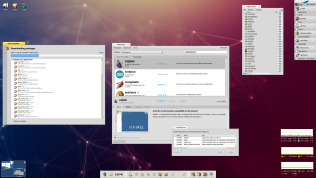
Haiku Package Management: A tour of the unique package management capabilities of the alternative Haiku Operating System

Amiga Systems Programming in 2023: A look at developing, packaging and distributing software for AmigaOS and derivatives
Recent Posts
Tiller 0.5.0 released
Just a quick “heads up” for users of Tiller - version 0.5.0 has just been released and has a few new features, and some other changes. Firstly, I have added support for per-environment common settings. Normally, you’d do things like enable the API, set the exec parameter and so on in common.yaml, but as per issue #10, you can now specify / over-ride these settings in your environment configuration blocks. Simply drop them under a common: section, e.g.
Tiller 0.3.0 and new Defaults datasource
Tiller v0.3.0 has just been released, which brings a couple of changes. The first is that the ordering of plugins specified in common.yaml is now significant. Tiller will run these plugins in the order that they are specified; this is important as before the order was effectively random, so your templates may change with this release if you rely on merging values from different sources (hence the major version bump indicating a breaking change).
Solaris bash package and other updates
A quick update for users of my Solaris 11 x86 packages. I’ve created a GNU Bash 4.3 package which includes the patch for the much-publicized Shellshock vulnerability. As the package name “bash” also matches the one provided by Oracle, as usual you’ll just need to specify the full FMRI when installing:
Querying Tiller configuration from a running Docker container
Tiller 0.2.2 now brings a simple HTTP API that allows you to query the state of the Tiller configuration inside running Docker containers. This may be particularly useful when you’re attempting to debug configuration issues; you can quickly and easily check the templates, global values and Tiller configuration.
Building dynamic Docker images with JSON and Tiller 0.1.4
Tiller 0.1.4 has just been released, and brings a few new improvements. Firstly, you can now use -b,-l and -e command-line flags to set the tiller_base, tiller_lib, and enviroment values respectively. This makes things a little neater when debugging or testing new configurations on the command line.
The opinions and views expressed on this website are my own and do not necessarily reflect the views of my employer, past or present.